

Using an Income Statement
What is an income statement for a small business? An income statement for a small business (or P&L) is a financial report that tracks a business's revenue, expenses, and net profit or loss over a specific period, such as a month or year. It is the primary tool used by owners and CPAs to measure profitability beyond a simple bank balance. Joining our Raleigh CPA firm as we explain the importance of an income statement, common items on an income statement, and signs that your business financials need attention.
Your Small Business Guide on Income Statements
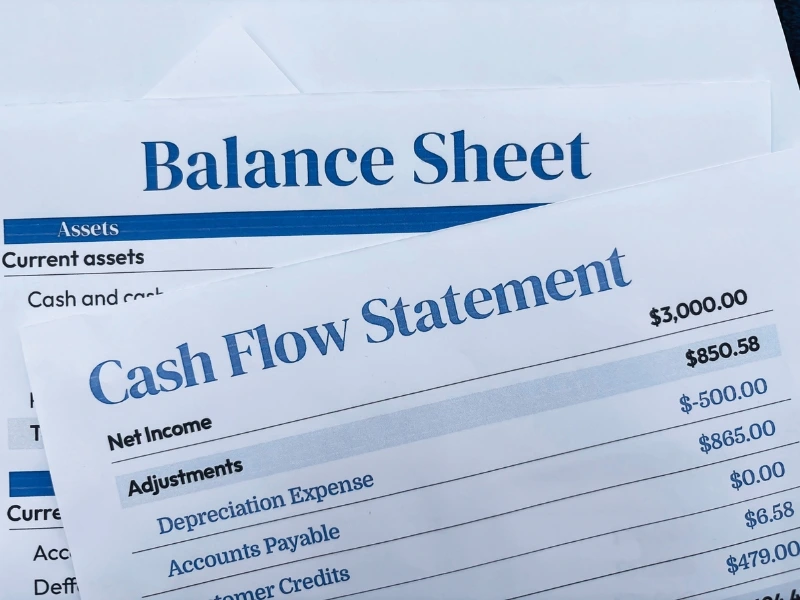
For many small business owners, income statements only get reviewed at tax time or when a bank asks for financial records. Used regularly, though, an income statement can help identify changes in sales, rising expenses, shrinking margins, or areas where the business may need closer financial attention.
At C.E. Thorn, CPA, PLLC, we provide small business accounting services so Raleigh-area business owners can gain clearer insight into their company’s financial future. One way to do that is by using income statements to track revenue, expenses, and profit over time for a more accurate view of how your business is performing beyond what is shown in your bank account.
Table of Contents
Income & Profit and Loss Statements
An income statement is a financial report that tracks your business’s profits and losses during a specific reporting period. That period may be tracked monthly, quarterly, or annually, depending on how often you review your books.
The Importance of a Profit and Loss Statement
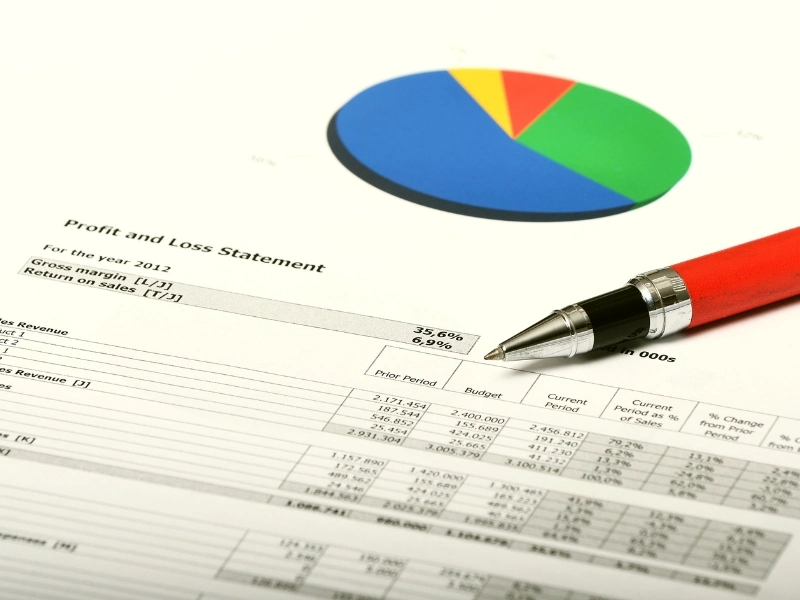
A P&L statement is important because it shows whether your business is actually making money during a specific period of time. Instead of relying only on your bank balance, you can see how much revenue came in, what expenses were paid, and what profit or loss remained after those costs were accounted for. Income statements also support tax planning for small businesses because they organize business income and expenses.
An income statement for a small business helps small business owners:
- Track revenue and see how much money the business earned during a specific period
- Review expenses and identify where costs are increasing
- Measure profit or loss after business costs are accounted for
- Compare performance from month to month, quarter to quarter, or year to year
- Spot shrinking profit margins before they become a larger issue
- Make more informed decisions about pricing, budgeting, hiring, and spending
- Prepare for tax planning with more accurate financial information
- Provide lenders or investors with a clearer view of business performance
- Understand whether the company is operating profitably over time
| Report Type | What it Tracks | Why it Matters |
| Income Statement | Profit & Loss over time | Shows business performance/profitability. |
| Balance Sheet | Assets, Liabilities, & Equity | Shows overall business value/worth. |
| Cash Flow | Inflow and Outflow of Actual Cash | Shows if you have the cash to pay bills. |
What Is Included in an Income Statement for Small Businesses?
A good income statement is organized so you can see how money moves through the business. The layout may vary by company, but most income statements include these same core sections.
Total Revenue
Revenue is the money your small business earns from selling products or providing services before deducting expenses. It is often referred to as the “top line” because it appears near the top of the income statement.
- For a service business, revenue may include client fees, retainers, or project payments.
- For a product-based business, it may include product sales, shipping income, or other sales-related income.
Recording revenue the same way each period makes it easier to compare performance over time.
Cost of Goods Sold
Cost of goods sold, often called COGS, includes the direct costs tied to producing or delivering what your business sells.
- For a product-based business, COGS may include materials, inventory, packaging, freight, or production labor.
- For some service businesses, it may include direct labor, subcontractor costs, or expenses tied to a specific project.
COGS is worth reviewing closely because it affects gross profit. If these costs rise but your pricing stays the same, the business may bring in more revenue while keeping less profit.
Gross Profit
Gross profit is what remains after COGS is subtracted from revenue. It shows how much money is left before operating expenses, taxes, interest, and other costs are considered. For example, if sales are strong but gross profit is shrinking, the issue may not be sales volume. It may be pricing, supplier costs, labor efficiency, discounts, product mix, or job costing.
This is where a profit and loss report analysis can point to problems that are easy to miss when only looking at bank deposits.
Operating Expenses
Operating expenses are the everyday costs of running your business. These may include rent, utilities, payroll, insurance, marketing, professional fees, software subscriptions, vehicle expenses, and office supplies.
These expenses related to operating your daily business needs are often where small costs start to add up. A few new subscriptions, higher ad spending, increased insurance premiums, or expenses placed under “miscellaneous” may not seem like much on their own. However, over time, they can reduce profit and make it harder to see where the company’s money is going.
Net Income
Net income is the amount left after revenue, COGS, operating expenses, interest, taxes, and other items are accounted for. This is sometimes called the “bottom line.”
- A positive net income means the business showed a profit for that reporting period.
- A negative net income means the business reported a loss.
One slow month is not always a crisis, but repeated losses should be reviewed carefully.
How to Read an Income Statement
Reading an income statement is not just about checking whether the business made a profit. The real value comes from comparing the numbers, looking for changes, and understanding what those changes to your small business financial reports may say about pricing, expenses, and overall performance.
Compare the Same Period Year Over Year
Start by comparing the current period to the same period in a prior year. For example, March of this year compared to March of last year may tell you more than March compared to February.
This is especially useful for businesses affected by seasonal changes, holidays, school schedules, weather, or customer buying patterns. A slow month may not be a problem if it follows the same pattern as past years. A sudden drop compared to the same month last year deserves a closer look.
Look at Percentages, Not Just Dollar Amounts
Revenue growth does not always mean the business is keeping more money. If revenue increased by 20 percent but cost of goods sold increased by 35 percent, the business may be selling more while earning less on each sale.
That kind of change may point to higher supplier costs, underpriced services, labor inefficiencies, freight increases, or project estimates that no longer reflect current costs.
Watch for Common Red Flags
Some bookkeeping issues are easy to overlook until they affect your business’s cash flow or tax planning.

Pay close attention to:
- One-time expenses making a normal month look worse than it is
- Gross profit shrinking while sales increase
- Cost of goods sold rising faster than revenue
- Large or growing “miscellaneous” expense categories
- Owner draws being confused with payroll or profit
- Personal expenses appearing in the business books
- Advertising costs increasing without a clear connection to revenue
Know When the Numbers Need a Closer Review
A good question to ask is, “What changed?” If a number moved significantly from last month, last quarter, or last year, it should be reviewed. For example, if COGS is rising faster than revenue, it may be time to revisit your company’s pricing, supplier contracts, job costing, or how expenses are being categorized.
The goal is not just to read the report, but to use it before small issues become harder to correct.
Common Income Statement Mistakes Small Business Owners Make
Small business owners do not need to become accountants, but they do need financial reports they can trust. A few common mistakes can make an income statement harder to read and less useful for smart decision-making.
Confusing Cash in the Bank With Profit
Money in the bank does not always mean a business is profitable. The company’s bank account balances do not always reflect upcoming bills, unpaid taxes, credit card balances, outstanding checks, loan payments, or customer invoices that haven’t been collected yet.
Misclassifying Business Expenses
An income statement for a small business can become misleading when expenses are placed in the wrong category. Personal expenses, owner draws, loan principal payments, and asset purchases should be handled correctly so that the report shows a clear, accurate picture of the business’s performance.
Waiting Until the End of the Year
Reviewing an income statement only at tax time limits how useful the report can be throughout the year. By the time you are going through the tax planning and preparation process, the numbers may explain what happened, but they do not leave much time to adjust pricing, control expenses, or address shrinking margins.
FAQs
Is an income statement the same as a Profit and Loss (P&L) statement?
Yes, an income statement is the exact same financial report as a profit and loss statement, frequently referred to as a “P&L”. Regardless of the name used, this document serves one primary purpose: it displays your business’s revenue, expenses, and resulting profit or loss over a specific window of time. It is widely considered one of the most important tools for a small business owner to understand the true financial performance of their company.
Why is my net income different from the cash in my bank account?
It is a common misconception that money in the bank is a direct reflection of business profit. In reality, your company’s bank account balance does not account for upcoming bills, unpaid taxes, outstanding credit card balances, or loan payments. Additionally, an income statement tracks revenue you have earned even if you haven’t collected the cash from a customer yet, providing a much more accurate view of performance than a simple bank deposit history.
How often should I review my small business income statement?
While many business owners only review these reports when preparing for tax season, they can be tracked monthly or quarterly depending on how closely you want to monitor your books. Waiting until the end of the year to look at your income statement is a significant mistake because it limits your ability to make critical adjustments. Reviewing these numbers regularly throughout the year allows you to address shrinking margins or control rising expenses before they become long-term issues.
Can an income statement help with my business tax planning?
An income statement is an essential tool for effective tax planning because it organizes your income and expenses into logical categories for the IRS. By reviewing your statement before the year ends, you can identify bookkeeping errors or misclassified expenses that might otherwise complicate the tax filing process. This accurate financial overview allows for a much smoother tax preparation process and helps you understand your tax liability well in advance.
What are the "red flags" I should look for on my P&L?
When reviewing your income statement, you should be on the lookout for a few specific red flags, such as gross profit shrinking even while your sales are increasing. It is also a warning sign if your cost of goods sold is rising faster than your total revenue, as this could point to underpriced services or supplier cost increases. Other items to watch for include large, unexplained “miscellaneous” expenses or the accidental inclusion of personal expenses in your business records.
Learn More About Our Small Business Financial Reporting Services
C.E. Thorn, CPA, PLLC, works with small business owners who need accurate financial statements, clear reporting, and steady accounting support. Contact us today to learn about our financial reporting services by calling 919-420-0092 or filling out the form below.
Contact Form
Feel free to call our office or to complete the contact form below:
"*" indicates required fields